
Aplikasi
Thermionic Electron Sources
Select lanthanum hexaboride (LaB6), tungsten, CeB6, or field-emission emitter routes by required beam current, brightness, stability, resolution, lifetime, vacuum, mount compatibility, maintenance, and equipment cost.
Jawaban singkat
Use LaB6 when a commercial thermionic source needs higher brightness and longer useful life than a conventional tungsten filament while remaining compatible with a heated cathode and its vacuum requirements. Use tungsten when low cost, simple replacement, and forgiving operation dominate. Compare CeB6 where contamination resistance or service life may justify it, and use Schottky or cold-field emission when the instrument requires the highest brightness, smallest source size, or lowest energy spread.
What Are Thermionic Electron Sources?
Thermionic electron sources heat a compatible cathode in vacuum to generate a stable electron beam with the current, brightness, lifetime, energy spread, and geometry required by the instrument.
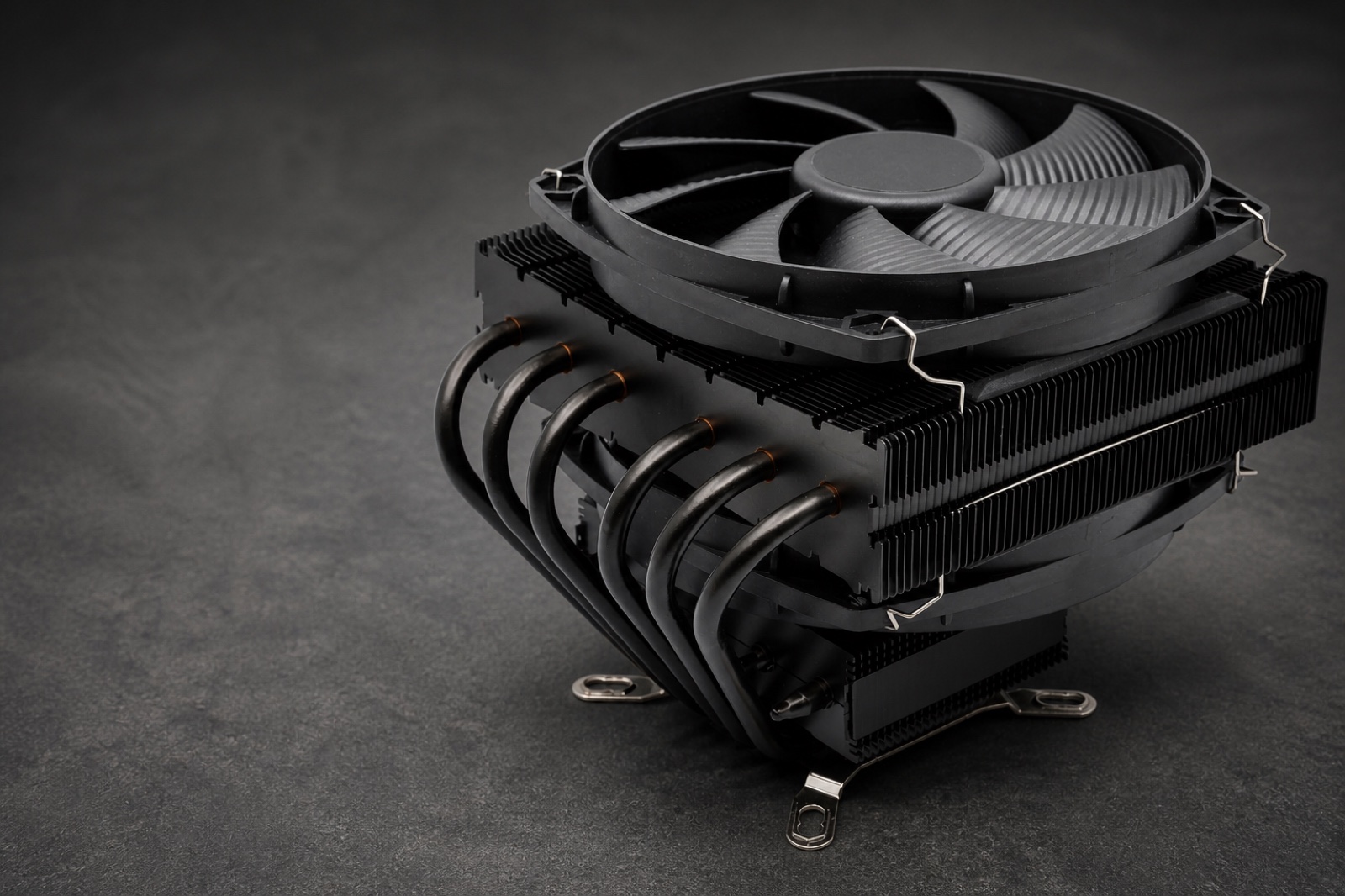
Mekanisme
Heating supplies electrons enough energy to overcome the cathode work function and escape into vacuum. Useful beam performance then depends on the emitting material, crystal orientation, tip geometry, heater and mount, operating temperature, vacuum, contamination state, electron optics, and instrument alignment.
Mekanismenya bergantung pada antarmuka sistem berikut:
- crystal orientation, tip geometry, mount dimensions, and clamping
- heater resistance, current, voltage, temperature, and warm-up control
- vacuum level, contamination, venting, storage, and handling
- bias, accelerating voltage, apertures, alignment, and electron optics
Pemilihan material
Baca setiap baris sebagai rute spesifik skenario: panduan menjelaskan mengapa suatu material cocok, sementara batas penolakan menunjukkan kapan harus berhenti menyaringnya.
| Skenario | Bahan | Bimbingan |
|---|---|---|
| General-purpose analytical thermionic source requiring more brightness and life than tungsten | LaB6 | Select a compatible LaB6 cathode when the instrument supports its heater, mount, vacuum, bias, alignment, and operating-temperature requirements. Validate beam current, stability, resolution, and life in the actual gun. |
| Lowest source cost and simple routine replacement | Tungsten filament | Use tungsten when equipment compatibility, ease of replacement, and acquisition cost matter more than the brightness, source-life, and resolution benefits available from other routes. |
| Thermionic route prioritizing contamination resistance or longer service under the supported gun design | CeB6 | Compare CeB6 with LaB6 using the same gun geometry, vacuum, brightness/current target, operating condition, maintenance model, and supplier evidence. |
| Highest brightness, smallest source size, or highest-resolution electron optics | Schottky or cold-field-emission source | Use an equipment architecture designed for field emission rather than treating the emitter as a cathode-material substitution inside a thermionic gun. |
Batas Ruang Lingkup
- A LaB6 cathode is not a drop-in replacement for every tungsten, CeB6, Schottky, or cold-field-emission gun; the source housing, heater, vacuum, electron optics, and control system must be compatible.
- Bulk LaB6 composition or work function alone does not establish beam current, resolution, stability, or cathode lifetime in a finished instrument.
- Do not specify a LaB6 cathode without the instrument model, mount dimensions, tip geometry, orientation, heater condition, vacuum requirement, and beam-performance target.
Skenario dan Subtipe
Gunakan batasan sistem host atau subtipe untuk mempersempit arah material sebelum membandingkan nilai atau data pemasok.
| Skenario | Kendala utama | Arah material |
|---|---|---|
| SEM and routine TEM electron guns | Beam current, brightness, stability, resolution, vacuum, source life, alignment, and service access must fit the microscope. | Compare compatible LaB6 and tungsten thermionic sources; move to field emission only when the instrument requirement and capital architecture justify it. |
| EPMA, AES, and other surface-analysis sources | Long-duration current stability and sufficient analytical beam current must be maintained without unacceptable contamination or spatial-resolution loss. | Screen LaB6 where a stable, comparatively bright thermionic beam fits the analyzer design. |
| Electron-beam lithography and exposure equipment | Beam size, brightness, energy spread, stability, placement accuracy, duty cycle, and vacuum define whether a thermionic route is adequate. | Use LaB6 only within equipment designed for it; compare field-emission architectures for the most demanding resolution targets. |
| Microfocus X-ray and electron-beam processing equipment | Emission current, focus, target loading, duty cycle, source life, thermal management, and maintenance must be qualified as one system. | Screen a compatible LaB6 cathode where thermionic current and life improve the equipment duty cycle without exceeding gun limits. |
| Electron-beam metal additive equipment | High-current stability, vacuum, duty cycle, thermal loading, contamination, service interval, and equipment compatibility dominate. | Use only an OEM-qualified LaB6 or alternative emitter assembly for the specific gun. |
Kelompok Kinerja Target
Interpret each target together with its stated unit, condition, geometry, and validation method; no single value selects a material route by itself.
| Metrik | Rentang sasaran | Satuan | Kondisi | Diperlukan |
|---|---|---|---|---|
| Beam-current stability | Project- and equipment-defined drift limit | % over stated duration | Warm cathode at stated current, vacuum, bias, voltage, and measurement method | ya |
| Useful cathode life | Equipment- and duty-cycle-defined acceptance | hours, starts, or operating cycles | Stated temperature, vacuum, emission demand, maintenance, and end-of-life criterion | ya |
| Electron-optical performance | Meet the instrument beam-current, brightness, source-size, energy-spread, and resolution requirement | method-appropriate electron-source and instrument metrics | Complete gun and column under the specified operating mode | ya |
Mode kegagalan
Gunakan baris kegagalan untuk mengidentifikasi pemicu terukur dan respons desain yang sesuai.
| Jenis kegagalan | Akar penyebabnya | Manifestasi | Strategi mitigasi |
|---|---|---|---|
| Low or unstable emission | The cathode is not operating in the approved gun window or the emitting surface/system has changed. | Low beam current, flicker, drift, slow warm-up, unstable imaging or analysis signal, or repeated control correction. | Review vacuum history, heater current/resistance, mount, bias, alignment, tip condition, contamination, and equipment procedure before replacing or increasing temperature. |
| Short cathode life or rapid evaporation | The cathode is operated outside the lifetime window or is exposed to damaging environmental and thermal conditions. | Rising heater demand, emission decay, tip recession, shape change, contamination deposit, or premature failure. | Restore the approved operating and vacuum window and verify cathode geometry, duty cycle, handling, and replacement criterion. |
| Crystal, tip, heater, or mount damage | Mechanical or thermal stress exceeds the assembly boundary. | Visible fracture or movement, open/changed heater resistance, inability to align, sudden emission loss, or vacuum contamination. | Use approved handling, dimensions, clamping, warm-up/cool-down, electrical limits, venting, and inspection procedures. |
Data validasi yang diminta
| Pengukuran diminta |
|---|
| Cathode identity, batch/serial traceability, crystal orientation, purity basis, dimensions, tip geometry, mount, and heater data. |
| Instrument model, source-holder drawing, approved installation procedure, bias and accelerating-voltage range, vacuum requirement, and alignment method. |
| Emission and delivered beam current, brightness or method-equivalent source performance, warm-up, current drift, source-size/energy-spread data where required, and resolution under the intended mode. |
| Useful-life evidence under a stated operating temperature, vacuum, current demand, duty cycle, maintenance practice, and end-of-life criterion. |
| Post-run inspection and service evidence for contamination, evaporation, crystal/tip condition, heater/mount condition, and reproducibility after replacement. |
Dasar & Referensi Teknis
- DENKA LaB6 Cathode Denka Company Limited · Accessed 2026-07-30
Active commercial LaB6 cathodes for SEM, TEM, surface-analysis, and electron-beam lithography equipment.
- Material Data - LaB6 Cathode Hitachi High-Tech Corporation · Accessed 2026-07-30
Commercial cathode reference data including density, work function, impurity, resistivity, orientation, and mount information.
- JSM-IT510 InTouchScope Scanning Electron Microscope JEOL Ltd. · Accessed 2026-07-30
Current downstream equipment evidence listing a LaB6 electron gun as a commercial SEM option.
- Talos L120C G2 (S)TEM Thermo Fisher Scientific · Accessed 2026-07-30
Current downstream equipment evidence specifying a LaB6 or tungsten thermionic electron source.
Pertanyaan Umum
Why choose a LaB6 cathode instead of tungsten?
Choose a compatible LaB6 source when higher brightness, longer useful life, or improved analytical beam performance justifies its vacuum, heater, mount, and operating requirements.
Can a LaB6 cathode fit any electron microscope?
No. The gun, holder, heater, mount, tip, bias, vacuum, alignment, and controls must support the exact cathode assembly.
Is LaB6 always better than CeB6?
No. Compare exact cathodes under the same gun, vacuum, emission, stability, lifetime, contamination, service, and cost conditions.
Can LaB6 replace a field-emission source?
Not as a drop-in cathode. Field-emission sources use a different gun, vacuum, control, and electron-optical architecture selected for demanding brightness, source-size, energy-spread, or resolution targets.
What data is needed to quote a LaB6 cathode?
Provide the instrument and source part number or drawing, mount and tip dimensions, orientation, heater data, vacuum, emission target, duty cycle, stability, lifetime, and documentation requirements.