
Application
LDS/MID
Laser-direct-structuring application guide for activation quality, metallization readiness, polymer compatibility, dimensional stability, and processing window control.
Quick Answer
Screen Copper Hydroxy-Phosphate (BCHP), Copper Chromite, or Calcium Copper Titanate (CCTO) only after the polymer, additive loading, laser window, cleaning route, electroless-plating bath, trace geometry, and reliability criteria are defined. A visible laser mark is not sufficient: the selected route must demonstrate activation, copper continuity, adhesion, resistance, dimensional stability, and aged circuit performance.
What Are LDS/MID?
Laser-direct-structuring constraints cover activation quality, metallization readiness, polymer compatibility, dimensional stability, and processing window control.
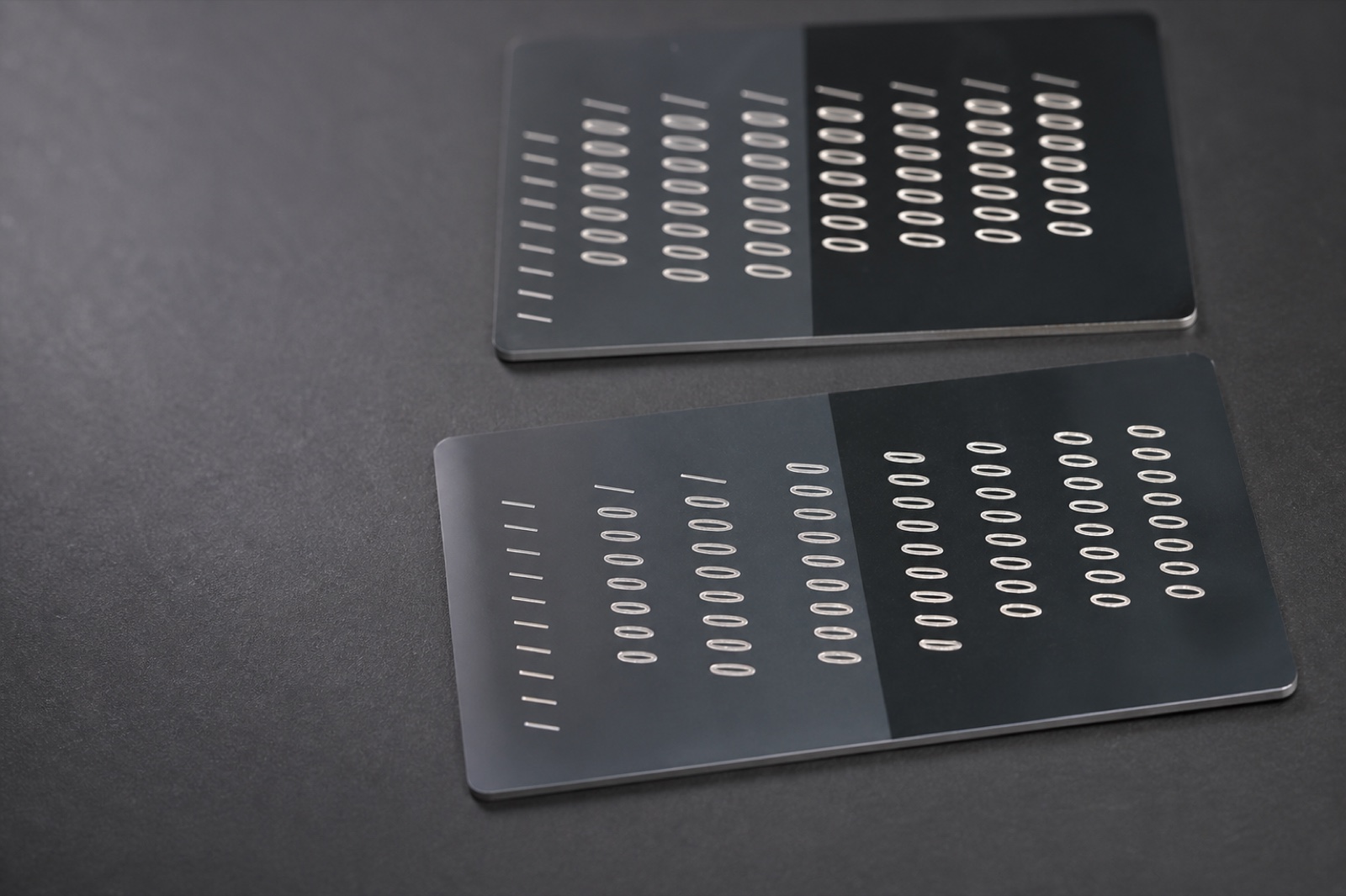
Mechanism
Laser-response and process-window control layer within the host system.
The mechanism depends on the following system interfaces:
- host polymer or binder
- laser wavelength and energy window
- thermal exposure zone
- post-process adhesion or metallization interface
Material Selection
Read each row as a scenario-specific route: the guidance explains why a material fits, while the rejection boundary shows when to stop screening it.
| Scenario | Materials | Guidance | Avoid when |
|---|---|---|---|
| LDS polymer requiring laser activation plus electroless copper plating | BCHP | Start with BCHP when copper phosphate chemistry is acceptable and the molded polymer can prove activation quality, copper plating continuity, peel strength, line resistance, and dimensional stability. | The polymer, laser setting, plating bath, or adhesion requirement is not defined. |
| Dark oxide LDS additive route with compliance review accepted | Copper Chromite | Screen Copper Chromite only when dark color, chromium documentation, loading, dispersion, plating repeatability, and regulatory review fit the final polymer and circuit geometry. | Dark color, chromium documentation, high loading, or regulatory review cannot be accepted. |
| Ceramic oxide LDS/MID route requiring a CCTO screen | CCTO | Screen CCTO when its ceramic oxide chemistry fits the polymer and color window, then qualify laser activation, electroless plating continuity, peel strength, resistance, polymer damage, and dimensional stability together. | The polymer, color tolerance, laser setting, plating bath, or plated-trace acceptance criteria are not defined. |
Scope Boundary
- LDS/MID is not decorative laser marking; it is a laser-activation and metallization route for forming plated circuitry on molded parts.
- Do not use LDS/MID guidance for decorative laser marking; a visible mark does not establish catalytic activation, electroless plating, or circuit adhesion.
Scenarios and Subtypes
Use the host-system or subtype constraint to narrow the material direction before comparing grades or supplier data.
| Scenario | Key constraint | Material direction |
|---|---|---|
| Molded LDS polymer antenna or circuit carrier | Polymer grade, additive loading, molded dimensional stability, trace geometry, plating bath, and peel-strength requirement must be defined. | BCHP first when copper phosphate chemistry is acceptable; Cu Chromite only when dark color and chromium review are acceptable. |
| Fine-line MID trace or connector geometry | Activation width, line edge quality, copper continuity, contact resistance, and over-burn margin determine eligibility. | Choose the route that passes line resistance, peel strength, and dimensional checks at final trace geometry. |
| Dark-color or ceramic-filled LDS route | Color, loading, filler dispersion, molding flow, and regulatory documentation may dominate over activation response. | Copper Chromite only after color, chromium documentation, and plated-trace repeatability are accepted. |
Target Performance Bands
Interpret activation and plating results together at matched polymer, additive, laser, cleaning, bath, geometry, adhesion, and reliability conditions.
| Metric | Target range | Unit | Condition | Required |
|---|---|---|---|---|
| Laser response threshold | Define the selected laser wavelength, commonly reported as 355 nm, 532 nm, or 1064 nm when those sources are used, then require activation strong enough to pass the customer's electroless copper plating continuity check. | nm plus activation, plating continuity, or line-resistance metric | Final molded polymer grade and trace geometry. | yes |
| Thermal damage boundary | Activation with 0 visible over-burn reject, warpage reject, or dimensional-stability failure at the upper approved energy setting. | pass/fail plus dimensional or mechanical retention metric | Upper process window after molding and laser activation. | yes |
| Process window width | Require at least 3 adjacent laser setting points or equivalent customer-defined production settings that pass activation, plating continuity, and damage checks. | setting count or customer process window | Speed, focus, power, trace geometry, and additive loading. | yes |
Failure Modes
Use failure rows to identify a measurable trigger and the corresponding design response.
| Failure type | Root cause | Manifestation | Mitigation strategy |
|---|---|---|---|
| Weak Activation | Insufficient additive response, wrong wavelength, or low loading | Poor metallization response | Re-map wavelength, power, scan speed, focus, and additive loading before raising filler level; reject settings that cannot initiate copper plating at final trace geometry. |
| Incomplete Plating | Narrow activation window, poor surface chemistry, or plating mismatch | Open circuits or unreliable conductive traces | Verify activation chemistry, plating bath match, copper thickness, line resistance, and trace continuity before changing material route. |
| Copper Adhesion Loss | Polymer damage, surface contamination, or weak activation sites | Trace delamination during service | Measure peel strength after activation, plating, humidity, and thermal cycling; reject routes that damage polymer or create weak sites. |
| Over-Burn | Excess laser energy, unsuitable polymer, or absorber imbalance | Mechanical property loss or cosmetic reject | Reduce laser energy or absorber loading, widen process window, or reject the polymer/additive pair if activation only works beyond the damage boundary. |
Validation Data Requested
| Measurement requested |
|---|
| Measure laser activation contrast and surface chemistry versus wavelength, power, scan speed, focus, and additive loading. |
| Run electroless copper plating continuity, line definition, peel strength, and resistance checks on the final polymer grade. |
| Inspect over-burn, warpage, dimensional stability, and color shift after laser exposure. |
| Validate additive dispersion, molding stability, and plated-trace durability after humidity, heat, and thermal cycling. |